Follow Me On Social Media!

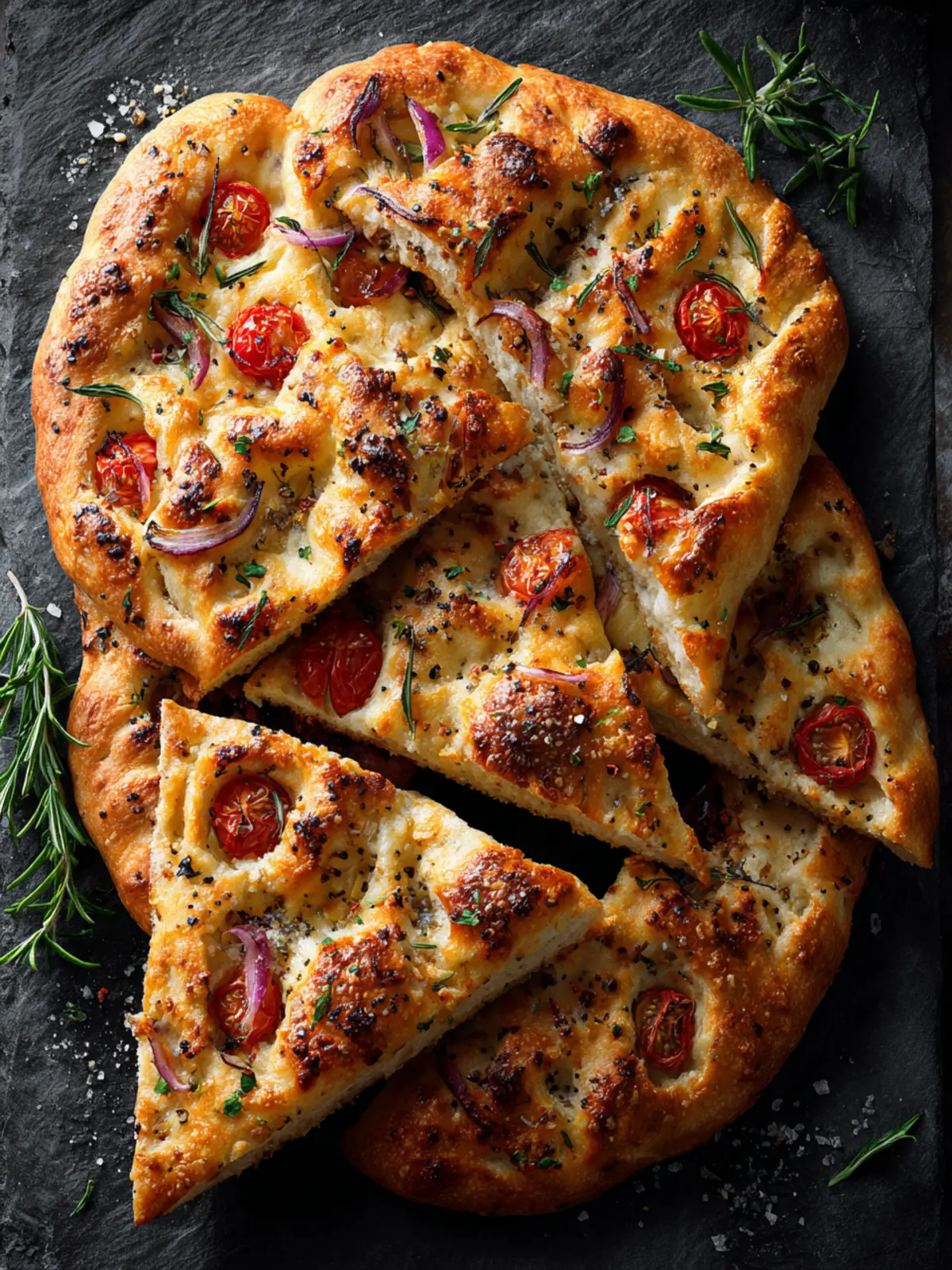
Homemade Fougasse: The Best Crispy Flatbread You’ll Love

Introduction to Homemade Fougasse
Imagine pulling a beautifully golden-brown loaf of homemade fougasse from your oven, the enchanting aroma swirling through your kitchen and filling your home with warmth. This classic French flatbread isn’t just food; it’s an experience, embodying the spirit of community and sharing. From the rustic bakeries of Provence to your own dining table, fougasse connects us all through the love of simple, quality ingredients. It’s perfect for accompanying a savory meal, as part of a charcuterie board, or simply enjoyed with olive oil and herbs.
Why is Homemade Fougasse so Special?
Homemade fougasse stands out because of its unique blend of textures and flavors. Unlike traditional bread, this flatbread is often infused with herbs, olives, or even cheese, making it versatile to suit any taste. Its distinctive shape – often resembling a leaf or an ear of wheat – is not only visually appealing but also maximizes the crusty edges, creating a delightful crunch with each bite.
-
Texture and Flavor: The chewy yet crusty exterior pairs beautifully with a soft, airy inside, making for a delightful eating experience. The addition of aromatic herbs like rosemary or thyme elevates the flavor profile, offering a taste of the Mediterranean.
-
Cultural Significance: In France, fougasse is often enjoyed during gatherings and celebrations, making it a lovely addition to any communal meal. It invites conversation and fosters togetherness as people tear pieces off to share.
-
Customizable Ingredients: One of the best parts about making homemade fougasse is the ability to personalize the ingredients. Whether you prefer classic flavors like garlic and olive oil or want to experiment with sun-dried tomatoes and feta, the choice is yours.
As you embark on the journey of creating your own fougasse, you’ll find that the process is just as fulfilling as the final product. It encourages you to connect with the ingredients, your kitchen, and the art of baking, making each loaf a true labor of love. So dust off that mixing bowl, and let’s dive into the world of homemade fougasse!
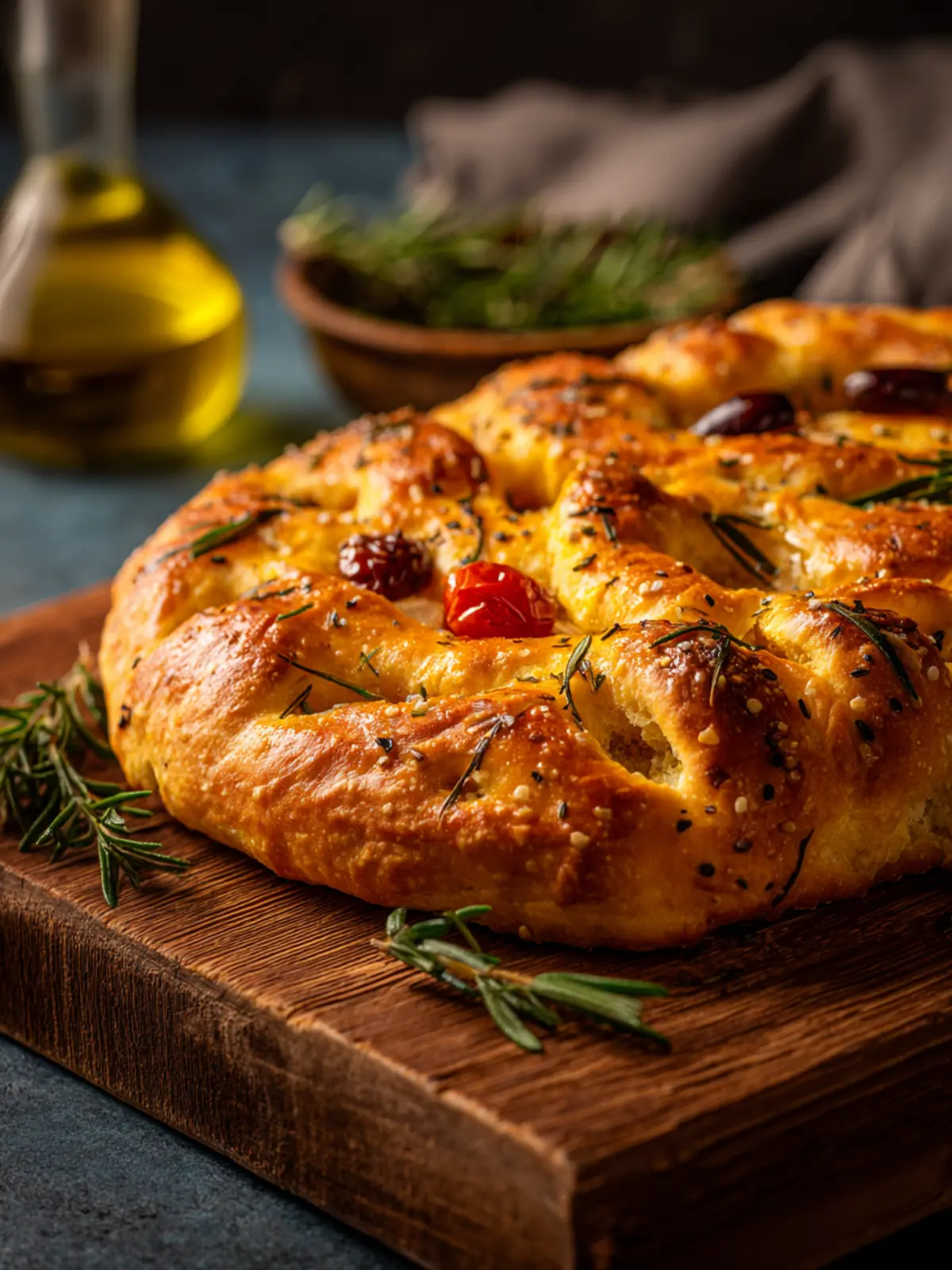
Key Ingredients for Homemade Fougasse
Bread Flour
The foundation of your homemade fougasse lies in high-quality bread flour. Its higher protein content gives the flatbread that delightful, chewy texture we all crave. When you knead the dough, the gluten develops beautifully, leading to a wonderfully airy interior.
Yeast
Yeast plays a crucial role in this recipe, whether you opt for instant or active-dry varieties. It not only helps the dough rise but also contributes to the lovely aroma and flavor of the fougasse. A little proofing is all it takes to awaken those tiny organisms and set the stage for a fantastic rise.
Water
Using room-temperature water in your dough is essential. It facilitates mixing and activates the yeast, ensuring that your homemade fougasse is perfectly hydrated. Too cold, and the yeast will lag behind; too hot, and you risk killing it.
Whole Wheat Flour
Incorporating whole wheat flour gives your fougasse a nutty depth that complements the sweetness of the bread flour. It adds nutritional value and a lovely complexity to the flavor profile, making every bite interesting.
Extra-Virgin Olive Oil
Don’t underestimate the power of extra-virgin olive oil. It enriches the dough, making it incredibly moist and flavorful. Plus, it provides a gorgeous golden crust when baked.
Table Salt
Finally, table salt elevates the overall taste of your fougasse. It enhances flavors and balances the sweetness from the flour, resulting in a flatbread that’s irresistible.
With these key ingredients, you’re well on your way to creating a homemade fougasse that’s bursting with flavor and texture!
Why You’ll Love This Homemade Fougasse
There’s something truly enchanting about homemade fougasse, a French flatbread that evokes the warmth of a rustic bakery. Imagine walking through a charming French village, the aroma of freshly baked bread wafting through the air. This recipe allows you to bring that delightful experience right into your own kitchen.
Deliciously Versatile
One of the most compelling reasons to try homemade fougasse is its versatility. You can easily customize the flavors to suit your mood or the season. Want to incorporate olives? Go for it. Craving sun-dried tomatoes? Toss them in! Additionally, fougasse pairs beautifully with various dishes, making it a perfect accompaniment to salads, soups, or even a cheese platter for a casual gathering.
A Joyful Baking Experience
Baking homemade fougasse isn’t just about the end product; it’s a joyful experience that connects you with your food. Kneading the dough and shaping it into those iconic slashes is both therapeutic and satisfying. Plus, as it bakes, your kitchen will fill with an irresistible aroma that’s sure to make your mouth water!
Perfect for Sharing
Every slice of homemade fougasse is an invitation to gather with friends and family. Serve it as an appetizer, or make it the star of your next gathering. Its rustic charm and inviting flavor are bound to win over any crowd, making it a delightful centerpiece for mealtime togetherness.
By the end, you won’t just have a loaf of flatbread; you’ll have a story to share—one that’s steeped in tradition and flavor—which is what makes homemade fougasse a beloved recipe in so many kitchens.

Cooking Tips and Notes for Homemade Fougasse
Delving into the art of preparing homemade fougasse opens up a world of savory flavors and delightful textures. This French-style flatbread, often adorned with olives, herbs, or cheese, can be as simple or as elaborate as your culinary imagination allows. Here are some tips to ensure your fougasse turns out perfectly every time.
Choose the Right Flour
Using high-protein bread flour is essential for that delightful chewiness in your homemade fougasse. This type of flour helps create a strong gluten structure, leading to a light and airy bread. If you’re in a pinch, all-purpose flour can work too, but the texture may differ slightly.
Don’t Rush the Rising Process
Patience is key when making fougasse. Allowing your dough to rise until it doubles in size ensures it has enough air bubbles for that perfect, airy crumb. Cover your dough with a damp cloth in a warm place to encourage fermentation.
Experiment with Flavors
Feel free to get creative! Adding herbs like rosemary or thyme, or incorporating sun-dried tomatoes and olives, can elevate your fougasse to a new level of deliciousness. Just remember to balance stronger flavors with milder ingredients so they complement rather than overpower.
Perfect the Handling
When shaping your homemade fougasse, avoid excessive handling of the dough to maintain its airy texture. Gently stretch and fold to form the characteristic leaf shape, being careful not to deflate it too much.
Serve Warm for Best Experience
Enjoy your fougasse warm, fresh from the oven. It’s delightful on its own or paired with a dipping oil or spread, making it a perfect addition to any meal. Each bite should evoke a sense of comfort and satisfaction, inviting everyone to indulge.
Variations of Homemade Fougasse
Exploring the world of homemade fougasse offers an exciting opportunity to experiment with flavors and textures. This delicious French flatbread can be customized in countless ways, inviting you to step outside the traditional garlic and herb combinations.
Savory Additions
- Cheese: Incorporate chunks of your favorite cheese, like crumbled feta or sharp cheddar, into the dough for a cheesy twist.
- Olives: Chopped olives add a briny kick. Kalamata or green olives work beautifully when mixed into the dough or used as a topping.
Sweet Variations
- Dried Fruits: Add dried fruits like figs or cranberries for a delightful sweetness that contrasts nicely with the bread’s herbs.
- Nuts: Pine nuts or walnuts can enhance the texture and flavor profile, adding a satisfying crunch.
Creative Toppings
- Top your homemade fougasse with seeds such as sesame or crushed red pepper flakes for an extra layer of flavor and visual appeal.
Each variation reflects your personality and provides an opportunity to share a unique creation with friends and family. What flavor combination will you try first?
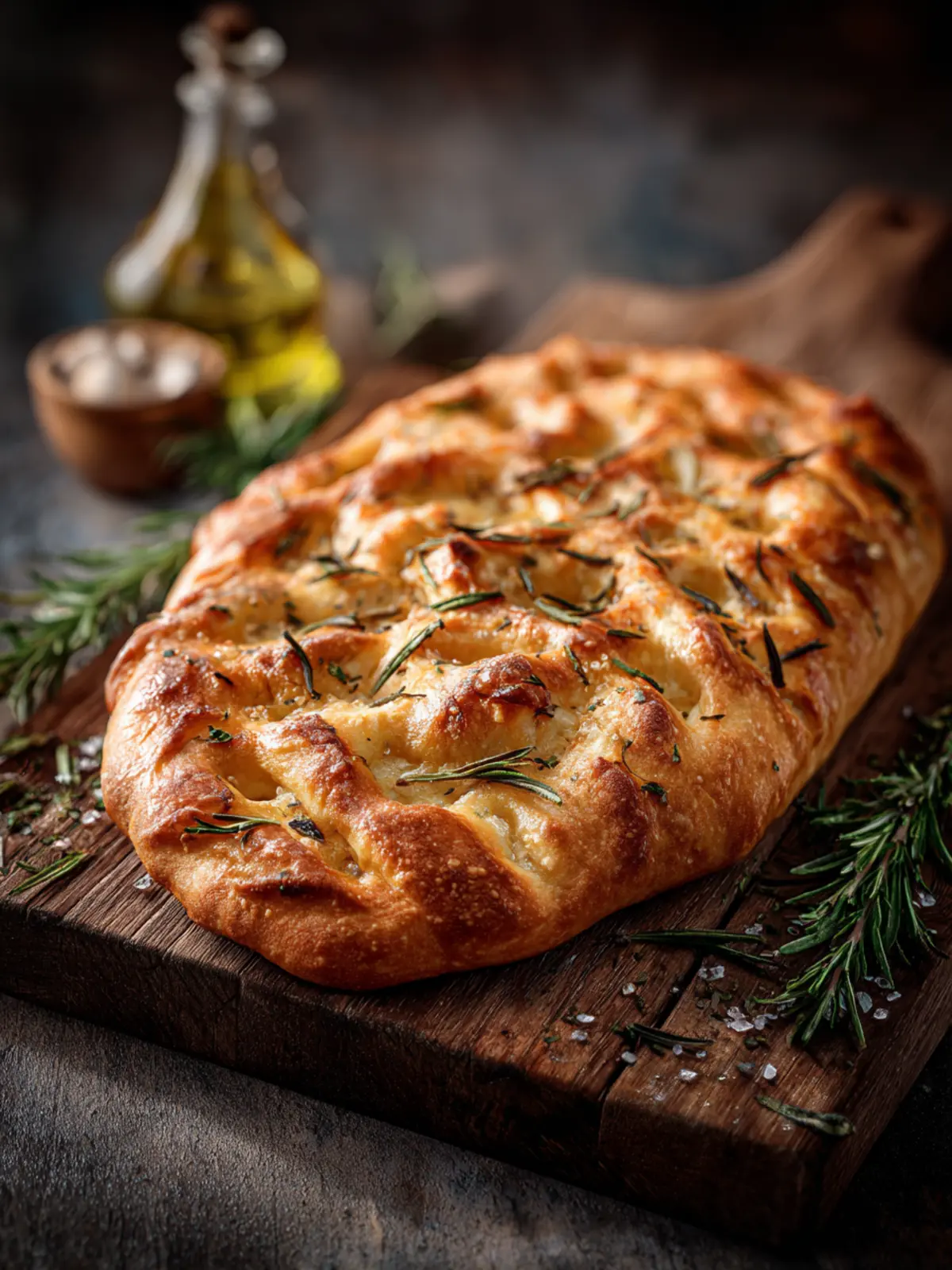
Serving Suggestions for Homemade Fougasse
The charm of homemade fougasse lies in its versatility, making it a delightful addition to various meals. Elevate your dining experience by pairing your flatbread with an array of dips and spreads.
-
Herbed Olive Oil: Serve warm, drizzled with a fragrant mix of olive oil, rosemary, and garlic for a simple yet gourmet starter.
-
Cheese Platter: Complement your fougasse with a selection of artisanal cheeses. The bread’s flavors harmonize beautifully with sharp cheeses like aged cheddar or creamy brie.
-
Roasted Vegetables: Consider using homemade fougasse to scoop up roasted vegetables, adding a rustic touch to your meal—perfect for weeknight dinners or casual gatherings.
-
Soups and Stews: Use the bread as the perfect vessel for hearty soups or stews. Tear off a piece and dunk it in; you won’t regret it!
Enjoying homemade fougasse is all about creativity—let your taste buds guide you!
Time Breakdown for Homemade Fougasse
Creating homemade fougasse is not just about the end product; it’s about the experience of making it. There’s something special about kneading the dough and waiting for it to rise, knowing that soon you’ll enjoy delicious, fragrant flatbread. Here’s how to break down the timing so you can plan your baking day!
Preparation Time
The initial prep takes about 20-30 minutes. This includes measuring your ingredients, mixing the dough, and giving it a good knead. It’s a hands-on process that sets the stage for the fluffy, flavorful fougasse to come.
Resting Time
After preparing the dough, letting it rest is crucial. Expect to wait around 1-2 hours for it to rise until it doubles in size. This is where the magic happens!
Baking Time
Once rested, you’ll bake your homemade fougasse for approximately 15-20 minutes. Keep an eye on it as it transforms into a beautifully golden flatbread.
Total Time
All in all, from start to finish, you’re looking at roughly 2-3 hours. While some of that time is hands-off, the result is well worth the wait! Your kitchen will smell heavenly, and the taste will be unforgettable.
Nutritional Facts for Homemade Fougasse
Understanding the nutritional facts for homemade fougasse can help you enjoy this delightful flatbread without the guilt.
Calories
A typical serving of homemade fougasse (about 100g) contains approximately 250 calories. This makes it a satisfying yet not overly indulgent choice for your bread basket.
Carbohydrates
With around 50 grams of carbohydrates per serving, homemade fougasse provides a quick source of energy, perfect for fueling your day or your next culinary adventure.
Protein
You can expect about 8 grams of protein per serving, which is beneficial not only for muscle repair but also for keeping you feeling full longer after enjoying this tasty bread.
Fats
Homemade fougasse typically has around 5 grams of fats, mainly from olive oil, contributing to its rich flavor and satisfying mouthfeel without being too heavy.
FAQ about Homemade Fougasse
Homemade foulgasse brings the essence of French bakeries right into your kitchen, making it a delightful project for any baking enthusiast. However, you may have a few questions as you embark on this culinary journey. Let’s dive into some common queries!
Can I make fougasse ahead of time?
Absolutely! One of the beauties of homemade fougasse is its flexibility. You can prepare the dough a day in advance and store it in the refrigerator. Just remember to let it come to room temperature before shaping and baking. If you bake a batch and have leftovers, they can still be enjoyed the next day.
What can I serve with fougasse?
Homemade fougasse is incredibly versatile, making it perfect for various occasions. Consider pairing it with:
- Olive oil and balsamic vinegar for dipping
- A cheese platter featuring brie, goat cheese, or aged cheddar
- Charcuterie items like salami and prosciutto
- A fresh salad or soup for a complete meal
The possibilities are endless, so feel free to get creative based on what you love!
How do I store leftovers?
To keep your homemade fougasse fresh, store it in an airtight container at room temperature for up to two days. If you want to keep it longer, wrap it tightly in plastic wrap and freeze it. Reheat in the oven for a few minutes to restore its delightful crunch when you’re ready to enjoy it again. Don’t let your hard work go to waste—enjoy every last bite!
Conclusion on Homemade Fougasse
Making homemade fougasse is not just about following a recipe; it’s about creating cherished memories in your kitchen. The aroma that fills the air as it bakes is enough to invite friends and family to gather around the table. This flatbread, with its crisp exterior and soft, flavorful interior, is perfect for sharing. With simple ingredients like flour, olive oil, and fresh herbs, you can elevate your meals effortlessly. As you serve your fougasse warm, remember that this delightful bread embodies not just a dish, but a story—your story in the kitchen. Enjoy every bite!
Print
Fougasse
- Total Time: 2 hours 20 minutes
- Yield: 8 servings 1x
- Diet: Vegetarian
Description
This delicious fougasse is a traditional French bread, perfect for serving warm with dipping oil or as part of a cheese board.
Ingredients
Scale
- 1 cup (130g) bread flour, spooned & leveled
- 1/8 teaspoon instant or active-dry yeast
- 1/2 cup (120g/ml) room-temperature water (about 70°F (21°C))
- 1 and 1/2 cups (195g) bread flour, spooned & leveled, plus more as needed
- 1/2 cup (65g) whole wheat flour, spooned & leveled
- 3/4 teaspoon instant or active-dry yeast
- 1 teaspoon table salt
- 1/2 cup (120g/ml) room-temperature water
- 2 Tablespoons (28g) extra-virgin olive oil, plus more as needed
- optional, for topping: flaky sea salt and herbs, such as rosemary, thyme, or Herbes de Provence
Instructions
- In a medium bowl, whisk together the bread flour and yeast. Add the water and mix with a silicone spatula until combined. Cover the bowl tightly with plastic wrap and the dough should remain slightly tacky.
- Drizzle or brush a little olive oil around the inside of the mixing bowl you were using. Place the ball of dough in the bowl, turning it to coat all sides of the dough in the oil.
- Cover tightly and let the dough rest for 45 minutes, and up to 2 hours. (See make-ahead instructions if you want to extend this time.)
- Visualize a clock on top of your dough. You’ll be folding it at the 12 o’clock mark. With an olive oil-greased spatula or lightly oiled hands, lift up the dough at 12 o’clock and gently stretch it up and pull it toward the opposite side of the bowl (6 o’clock), folding it down over the dough. Turn the bowl 90 degrees and repeat. Do this until you’ve gone around the bowl once, for a total of 4 folds. Flip the dough over so it’s seam side down.
- Cover tightly and let the dough rest for 45 minutes, and up to 2 hours.
- Turn the dough out onto a piece of parchment paper and use your fingers to press it into a rounded triangle or egg shape, (roughly) 12 inches long by 6 inches wide at the base.
- Cover lightly and let rest for 30 minutes, and up to 2 hours.
- Using a sharp knife, pizza wheel, or kitchen shears, cut the dough lengthwise down the center, stopping about 1 inch from each end. Then make 3 or 4 diagonal cuts on each side of the center cut. To create a leaf-like appearance, use your fingers to gently stretch out each cut until the holes are about 2 inches wide.
- Cover lightly and let rest for 30 minutes, and up to 1 hour. Meanwhile, preheat the oven to 450°F (232°C). If you have a baking stone, preheat it on the center rack. Otherwise, place a large flat baking sheet, or a rimmed baking sheet upside down, on the center rack to preheat.
- Brush the fougasse with olive oil, and sprinkle with herbs and/or sea salt, if using. Carefully slide the fougasse, along with the parchment paper, onto the preheated baking stone or baking sheet.
- Bake the fougasse until golden brown, about 20 minutes. If you give the top of the bread a tap, it should sound hollow. For a more accurate test, the bread is done when an instant-read thermometer reads the internal temperature as 190–200°F (88–93°C).
- If desired, brush the warm bread with more olive oil. Serve warm with dipping oil and balsamic vinegar, alongside soup or salad, or as part of a cheese board.
- Fougasse is best the day it’s baked. Store leftovers covered at room temperature for up to 2 days. If desired, reheat in a 350°F (177°C) oven, uncovered, for 5–8 minutes to crisp back up.
Notes
- For best results, allow the dough to rest for the full recommended times to develop flavor and texture.
- Experiment with different toppings like cheese or olives for a fun twist.
- Prep Time: 2 hours
- Cook Time: 20 minutes
- Category: Bread
- Method: Baking
- Cuisine: French
Nutrition
- Serving Size: 1 piece
- Calories: 150
- Sugar: 0g
- Sodium: 240mg
- Fat: 4g
- Saturated Fat: 0.5g
- Unsaturated Fat: 3g
- Trans Fat: 0g
- Carbohydrates: 25g
- Fiber: 1g
- Protein: 5g
- Cholesterol: 0mg